Introduction
Caring for individuals with complex bowel problems can be an overwhelming job, especially for those who may not have extensive medical training. The importance of understanding these conditions is paramount, not just for the wellness of the individual but also for the confidence and readiness of the carer. This guide intends to explore different elements of complicated digestive tract problems, providing beneficial understandings and sensible guidance to assist carers navigate this difficult terrain.
Understanding Complex Digestive tract Problems: A Guide for Carers
Complex bowel problems incorporate a range of conditions that influence the stomach system, often resulting in significant difficulties in everyday living. These conditions can vary from inflammatory digestive tract conditions like Crohn's illness and ulcerative colitis to much more serious instances needing medical intervention resulting in stoma production.
What Is a Stoma?
A stoma is an operatively developed opening on the abdomen that enables waste to exit the body when typical digestive tract feature is compromised. It's crucial for carers to understand what an ostomy requires, including its kinds and implications for both physical and emotional health.
What Is an Ostomy?
An ostomy describes any kind of surgical procedure that creates a man-made opening in the body. It can include colostomies, ileostomies, and urostomies-- each serving different functions based upon individual needs.
What Is Ostomy Care?
Ostomy care entails handling the stoma and bordering skin to prevent complications such as infections or skin irritability. This includes normal cleaning and changing of ostomy bags.
The Relevance of Education in Complex Bowel Care
Educating oneself concerning intricate bowel problems is vital for effective administration. Educating programs such as ndis complex bowel care training and stoma care training for carers supply important resources.
Overview of NDIS Complex Bowel Care Training
The National Disability Insurance System (NDIS) supplies specialized training focused on looking after individuals with complex demands connected to digestive tract concerns. This program assists gear up carers with needed skills.
Stoma Treatment Training for Carers
Stoma care training is vital in making certain that carers are well-prepared to manage any type of possible difficulties associated with ostomy care. From recognizing exactly how to transform a bag to recognizing indications of issues, this training covers it all.
Complex Digestive tract Treatment Course: What You Required to Know
Taking component in a comprehensive training course dedicated to complex bowel care can improve knowledge significantly.
Key Components of a Complex Bowel Care Course
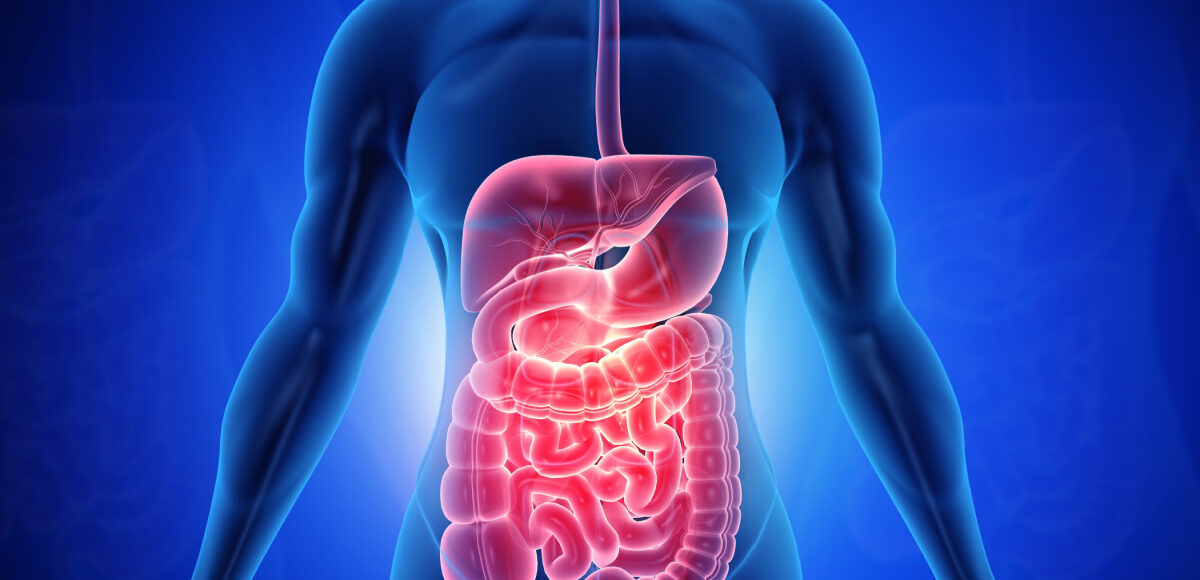
Understanding Anatomy: Finding out about gastrointestinal anatomy helps in understanding how numerous conditions affect physical functions. Recognizing Symptoms: Identifying signs and symptoms early can lead to timely interventions. Nutritional Guidance: Understanding nutritional impacts on digestive tract health and wellness is essential. Psychosocial Support: Addressing the mental wellness aspect of dealing with a complicated condition is similarly important.Bowel Treatment Monitoring Techniques
Proper bowel care management strategies can considerably enhance quality of life for both individuals and carers alike.
Daily Monitoring Protocols
Establishing daily regimens that include monitoring defecation can aid recognize irregularities very early on.
- Regularly inspect stoma sites. Keep track of dietary intake. Monitor hydration levels.
Emergency Procedures
Knowing what steps to take throughout emergencies-- like signs of clog or severe pain-- is crucial.

Understanding Stomas: Kinds and Functions
Not all stomas are developed equal; understanding their kinds helps tailor care strategies effectively.
Colostomy vs Ileostomy vs Urostomy
|Kind|Summary|Waste Kind|| ------------|---------------------------------------------------|--------------|| Colostomy|Created from colon; normally more developed feces|Strong waste|| Ileostomy|Developed from ileum; normally liquid waste|Liquid waste|| Urostomy|Reroutes pee from kidneys|Urine|
Challenges Encountered by Carers in Handling Complex Bowel Conditions
Carers often deal with distinct challenges when managing someone's facility digestive tract condition.
Emotional Concerns and Stress and anxiety Monitoring Techniques
Caring Find out more can be psychologically exhausting; it's important that carers technique self-care approaches such as:
- Engaging in hobbies Seeking assistance from peers Regularly communicating feelings
Physical Needs on Carers' Bodies
Lifting people or aiding with flexibility can take a toll literally; methods like appropriate lifting methods should be practiced regularly.
Nutrition's Duty in Digestive tract Wellness Management
Diet plays a significant role in handling complex bowel conditions effectively.
Balanced Diet Considerations
High-fiber foods promote regularity. Stay hydrated. Limit refined foods.Special Dietary Requirements Post-Surgery
Patients may need unique diets after surgical procedure:
- Low-residue diet plans initially Gradually reintroducing fiber
FAQs
What type of training do I require as a carer?- Enrolling in programs like NDIS complex bowel care training or stoma care training will certainly provide necessary expertise and abilities essential for effective caregiving.
- Typically every 3-7 days, depending on the person's circumstance, however constantly get in touch with healthcare experts for customized advice.
- Yes! Particular foods might cause clogs or excessive gas; it is very important to keep track of nutritional consumption closely.
- Absolutely! Psychological well-being considerably influences physical wellness outcomes; make sure open communication concerning feelings.
- Yes! Skin irritation or infection can happen if not properly looked after; regular inspection is crucial.
- Look into neighborhood workshops, online training courses like complex bowel care courses, or support system focusing on ostomy care administration strategies.
Conclusion
Understanding facility digestive tract conditions is imperative not only for enhancing person end results but also equipping those who provide treatment daily. By taking part in continuous education through programs such as NDIS complex bowel care training or specialized stoma care training, carers create skills crucial for reliable monitoring strategies while cultivating encouraging environments for healing and recovery.
This guide has actually covered different elements-- from standard interpretations regarding stomas and ostomies through dietary considerations-- to addressing emotional problems dealt with by caregivers themselves-- all targeted at equipping you with knowledge needed when browsing this diverse subject matter efficiently!
By welcoming education and cultivating strong communication in between patient-carer partnerships, we develop paths toward improved lifestyle-- one step at once-- in comprehending these intricate intricacies bordering bowels!